Rajasthan captures the essence of Rajputana pride with its magnificent palaces, forts and monuments of heritage. As you think of luxury and grandeur, the Jal Mahal in Jaipur cannot go unnoticed. This magical palace attracts thousands of travellers from across the globe. The word ‘Jal’ means ‘water’, while ‘Mahal’ translates to ‘palace’. Hence, it is also known as the Water Palace.
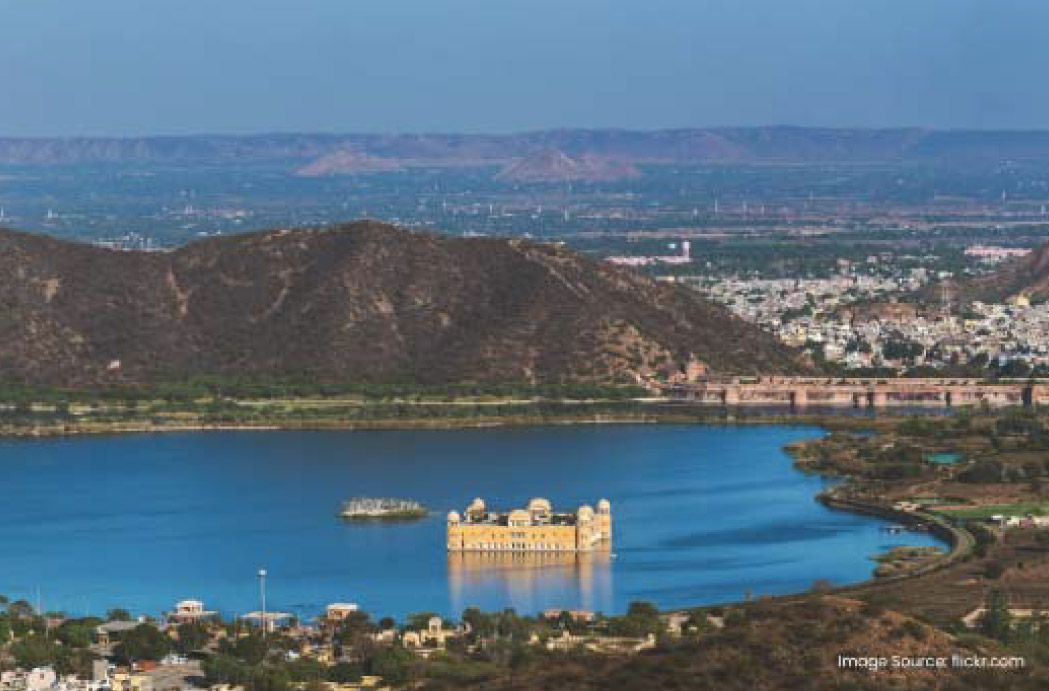
Guess what? The Jal Mahal appears to float on the shimmering blue waters of Man Sagar Lake. So, check out this blog to help you understand its history, architecture and travel tips. You can start by looking for affordable Treebo hotels to save money on your stay.






Jal Mahal: Diving Into the Royal History
Most historical places in Jaipur have unique stories to narrate. While some tales are known to the world, many of them remain hidden in the silent corners of monuments. Dating back to the 18th century, Jal Mahal was envisioned by Maharaja Madho Singh I. The original plan was to create a leisurely place in the middle of the lake.
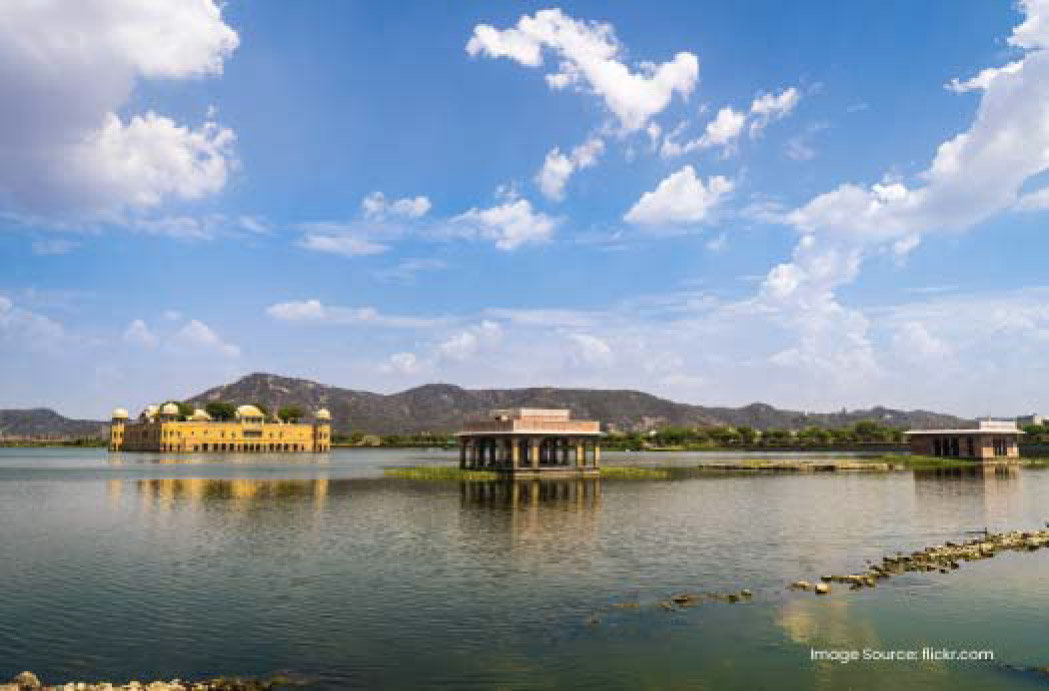
Do you know that the Man Sagar Lake was formed when a dam was built across the Darbhawati River? It was to address severe water scarcity in the region. However, the artificial lake created a peaceful oasis over time. Amidst the dry landscape of Jaipur, the lake offered a refreshing getaway for the locals. That’s when Maharaja considered this place for a floating palace.
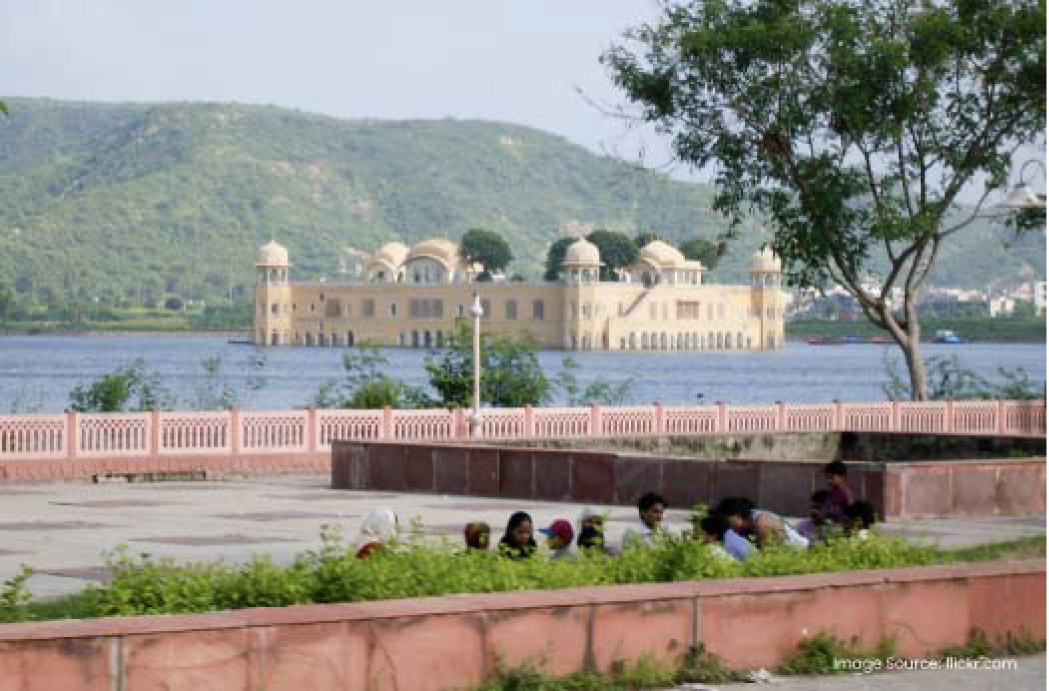
It was only in the 18th century that the palace underwent major expansion under the reign of Maharaja Jai Singh II. He actually transformed the simple structure into a Rajput-style palace. The architecture was a blend of Mughal and Rajput features, thereby making it one of the awe-inspiring Jaipur monuments.
Unlike other famous palaces in Jaipur that are built for residence or administration, this one is different. The water palace was created primarily as a pleasure palace. It was always meant to be a retreat for royal families during monsoons. Many theories suggest that the mahal was also used for hunting expeditions.
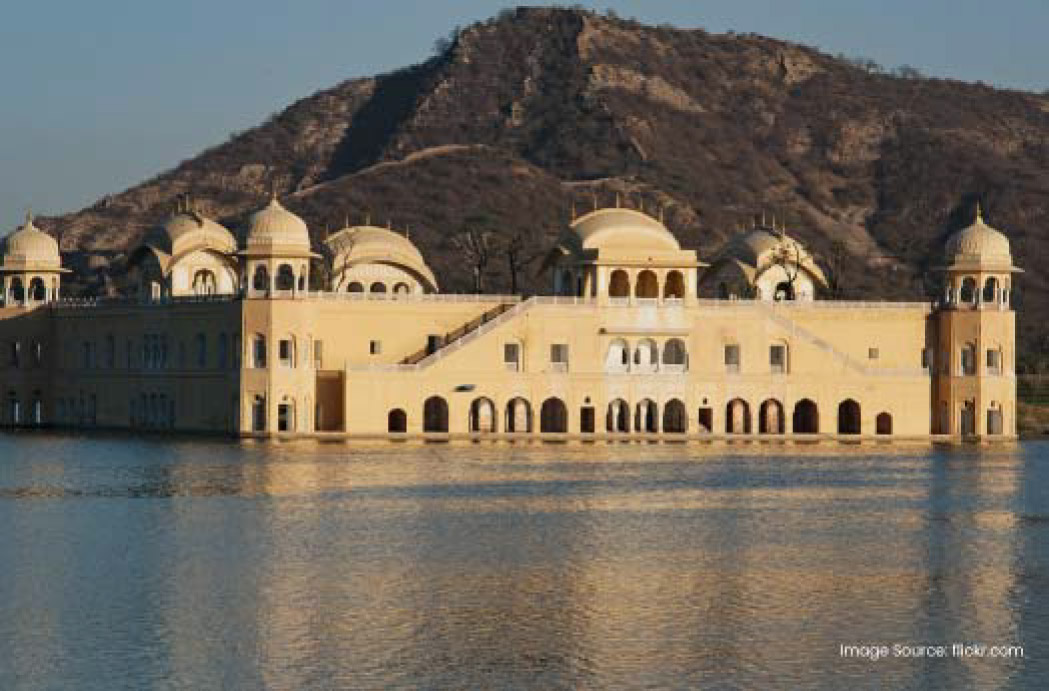
Over time, the lake began to suffer from neglect and environmental damage. That’s when Jal Mahal further went into renovation in the mid-20th century. As it was partially submerged, restoration involved reviving this very beautiful lake in India. The terraces, gardens, facade and pathways were taken into consideration. What you see today is an effort of many years, planning and vision of the authorities.
Architectural Brilliance: Rajput Pride Meets Mughal Elegance
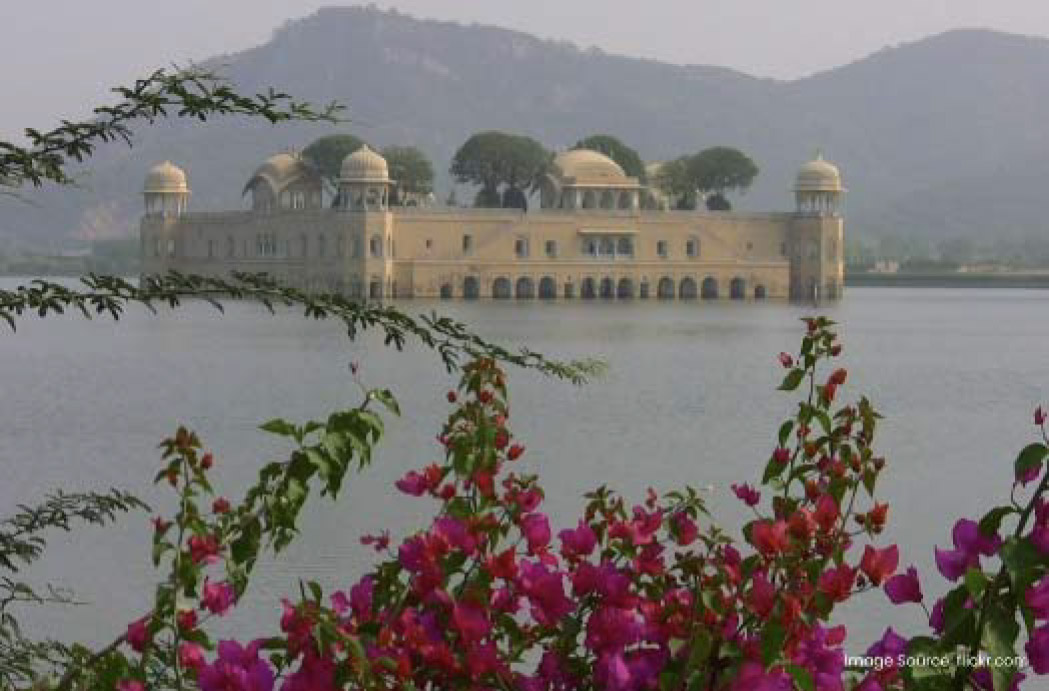
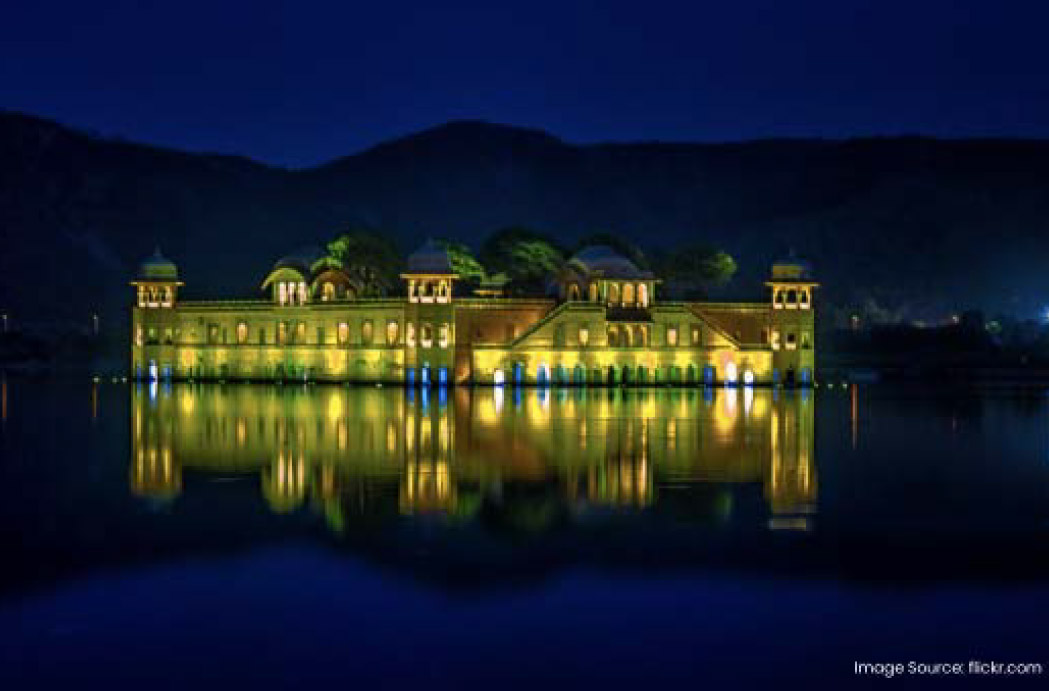
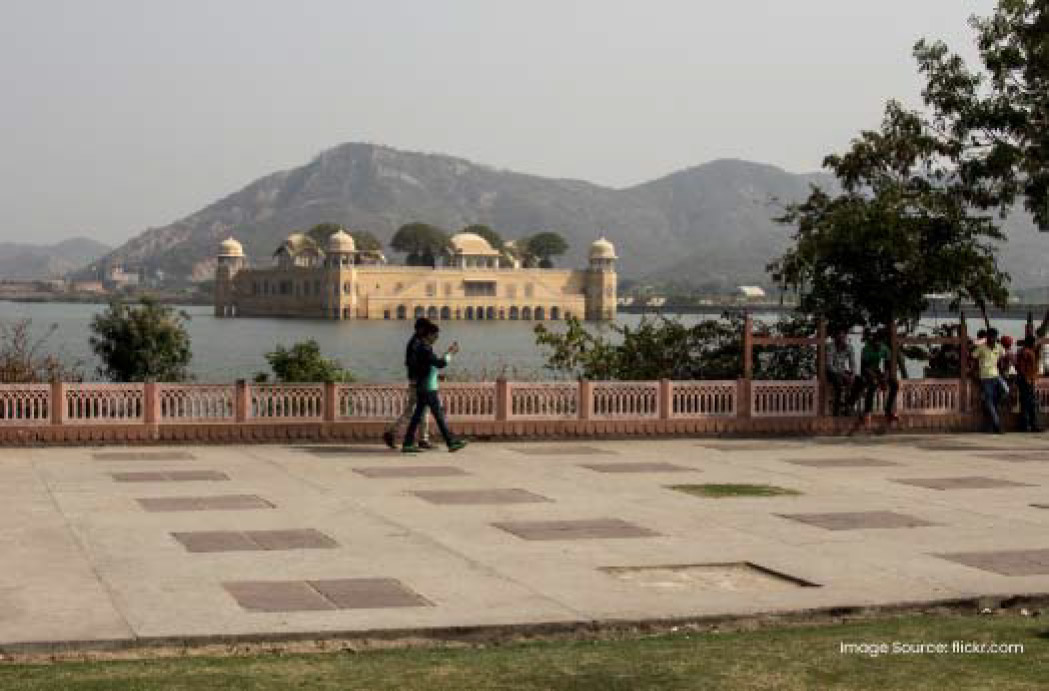
You must have heard somewhere that the Jal Mahal remains partially submerged. Many sources suggest that four of its five floors remain underwater. Hence, you only get to see the top floor along with the terraced gardens. No wonder it creates a fairy-tale illusion that the palace floats effortlessly.
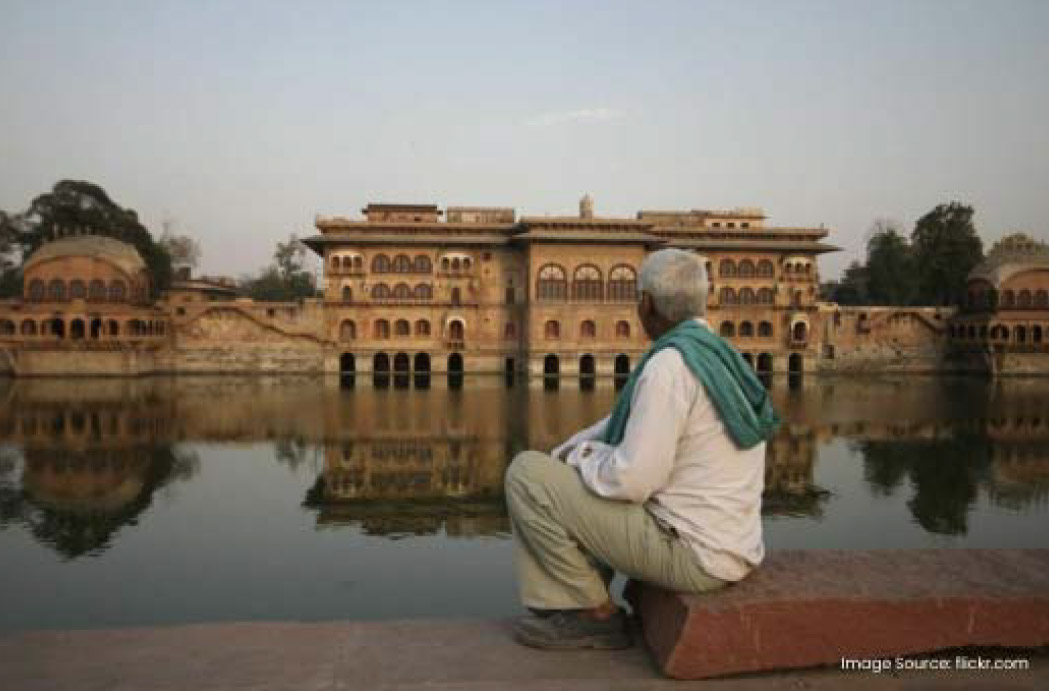
Built from red sandstone, you can see the stunning chhatris, jharokhas and baradaris. As the sun’s rays fall on the monument, the walls glow in absolute pride and beauty. You can see Mughal inspiration with the symmetrical design and delicate carvings. Even the refined marble work speaks highly of this fusion.
The Chhatris and Terraces
Once you visit the Jal Mahal, you can see how each corner of the terrace features an octagonal chhatri. It is the hallmark of Rajputana style, making travellers understand a lot about royal preferences. Do you know these domed pavilions were used for relaxation? Maharajas also opted for stargazing and viewing ceremonies across the lake from here.
The Rajputana Garden on the Rooftop
Nothing is better than a terraced garden where anyone can see unobstructed views of the lake and surroundings. The terrace of Jal Mahal features a restored Rajputana-style garden. Popularly known as Chameli Bagh, this garden was recreated by designers during the restoration process. As there was no evidence of the archaeological remains of the old garden, what you see today is an effort to showcase the Rajputana royalty.
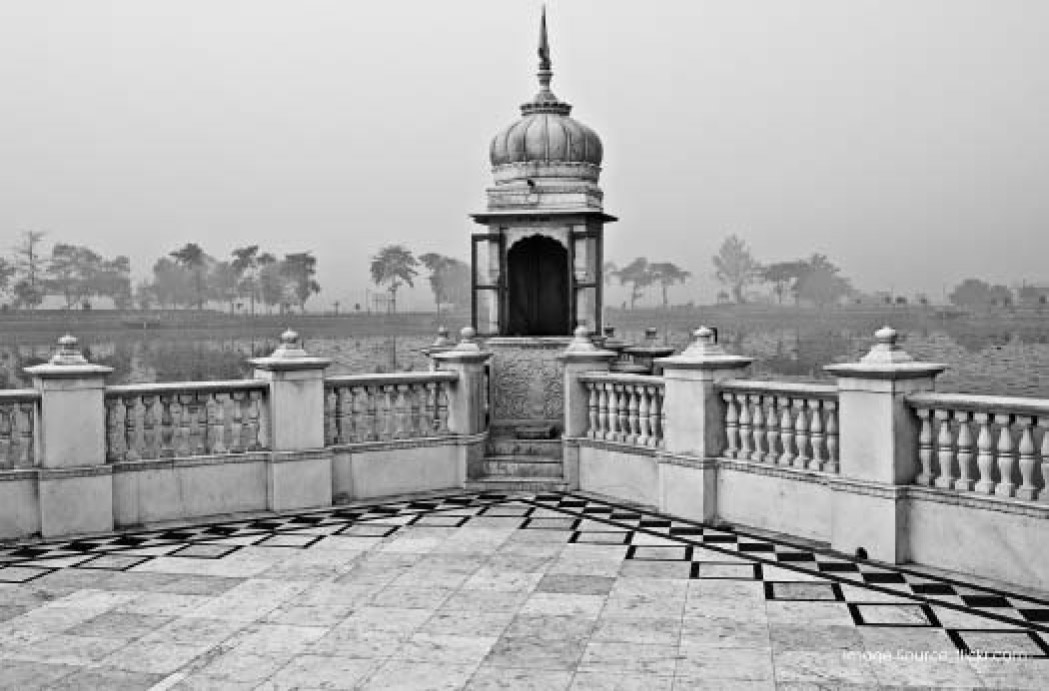
The garden reflects symmetry with lotus-inspired motifs. What’s more? It has fragrant white jasmine flowers, elevating the overall appearance. The terrace certainly blends heritage with nature as it invites more than 200 species of birds. So, make sure to book affordable hotels in Jaipur for a comfortable stay after exploring.
Symmetry and Serenity
If you observe the palace well, you can see the straight lines and neat proportions. It looks perfectly balanced while also being symmetrical. You can see the geometry of the palace in domes, turrets and decorative fronts. Hence, these features make it an architectural masterpiece.
The Mystery of Jal Mahal: Why Is It Not Fully Open to the Public?
You must have come across many videos where travel enthusiasts dig deeper into the mystery of Jal Mahal. While some claim that the palace is not exactly submerged, others relate it to haunted places in Rajasthan. Stories are endless; however, the entry to the interiors of Jal Mahal is restricted due to multiple reasons.
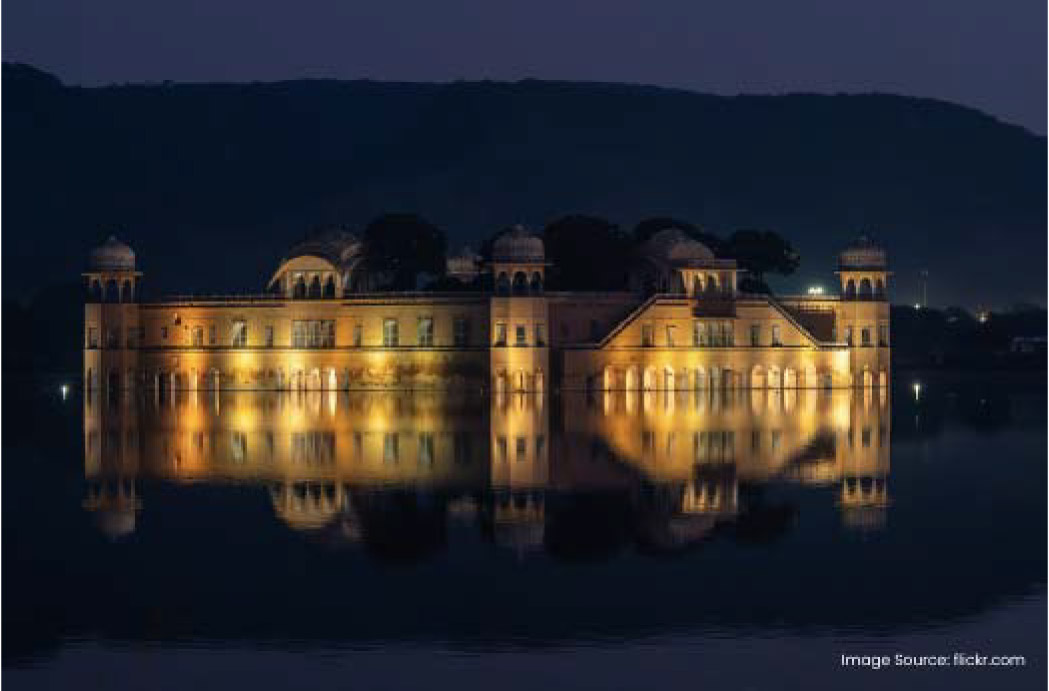
The palace is currently undergoing restoration works. Hence, disrupting the work with touristy crowds can lead to a delay. It is also important for the authorities to ensure the protection of the sensitive lake ecosystem. The surroundings are home to many birds and tourist interruption can create an imbalance.
Even though you cannot enter the palace, the view from the shore is more than worth it. You can admire the gorgeous structure from the lakeside promenade. You may also go on boat rides (once it starts again) to see it from a closer view. Enjoying its glow during sunrise and sunset is indeed one of the best things to do in Jaipur.
Let’s Understand What’s Inside Jal Mahal
You already know that Jal Mahal is not open to the public. However, there are many videos flooding the internet, showcasing the interiors of the palace. They are possible, either due to special permissions or private tours and the only way to reach the structure is via a boat ride.
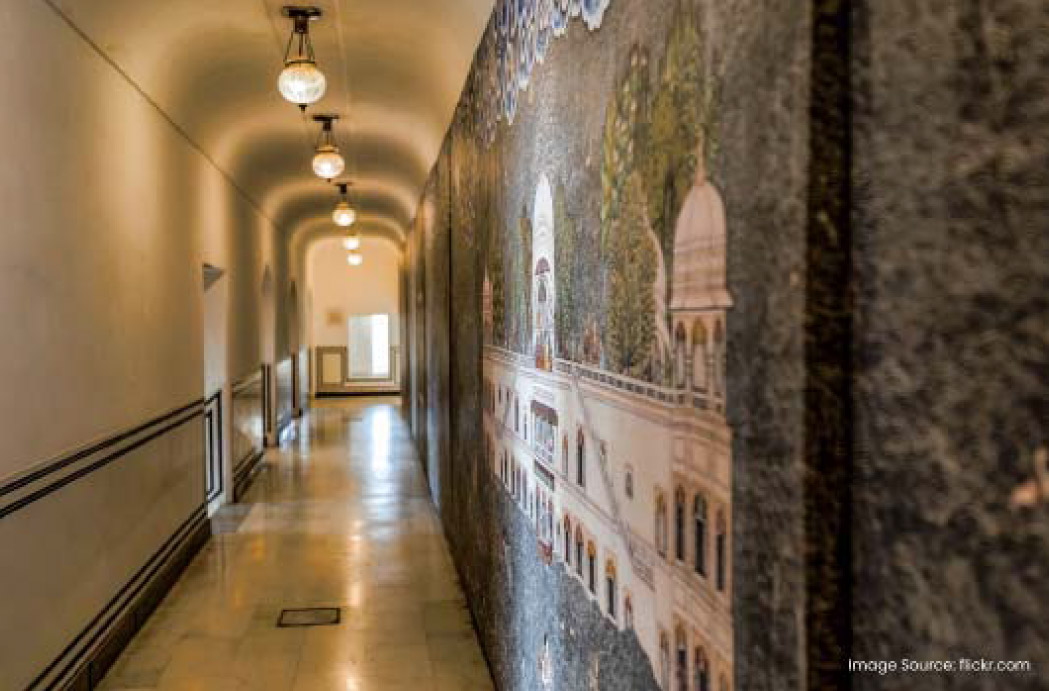
As you enter the palace, you can see that it does not have any rooms for a stay. It only has corridors and various entrances to move around the mahal. The interiors are filled with gorgeous paintings depicting scenarios of the royal families. Paintings showcase the Maharaja of Bundelkhand, the royal ceremonies and the history of Jal Mahal.
What’s more? It is adorned with gold-plated floral motifs and various geometric patterns. After the restoration work, the ceilings of the roof are painted with scenes of nearby city attractions. With affordable hotels in Jaipur, you can enjoy a comfortable stay.
Cultural Experiences Around Jal Mahal
While the interiors remain private, there is a lot you can do around Jal Mahal. Firstly, there are multiple small shops selling Rajasthani handicrafts, keychains, jewellery, miniature paintings, leather items and keepsakes. They can truly become the best souvenirs from India for your loved ones. Make sure to negotiate with the vendors for the best price.
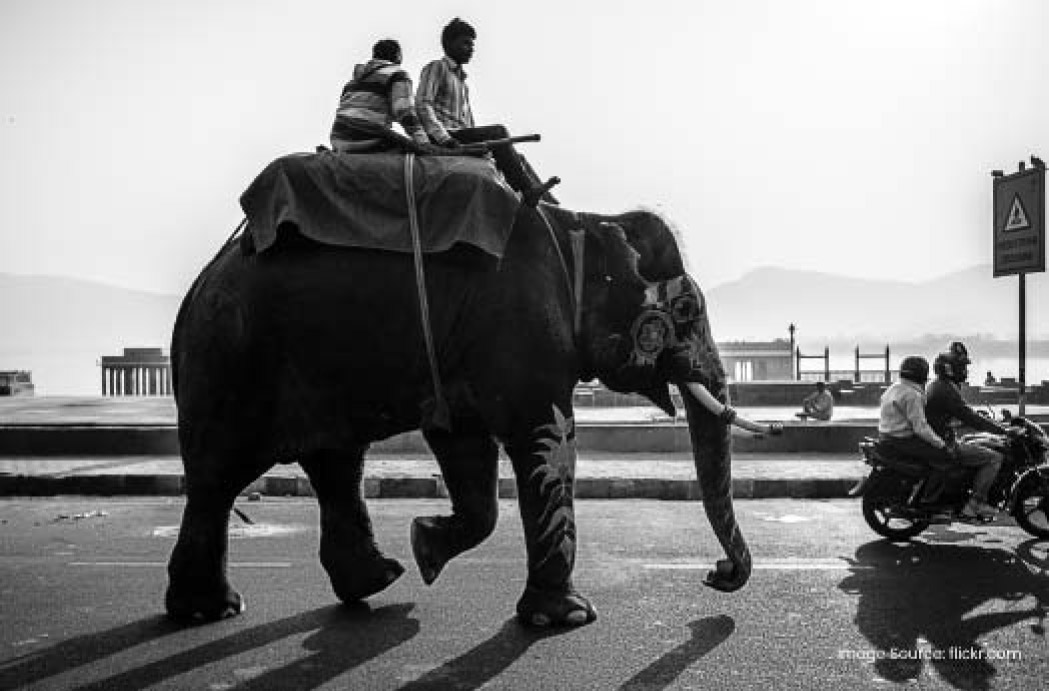
The next is the availability of many camels for a bumpy ride. If you are travelling with children, they can be entertained on a long ride through the way.
Let’s not forget the excitement people have for dressing in traditional attire. Local photographers set up spots where you can dress in pagdis, lehengas and Rajput swords. The backdrop of Jal Mahal offers some picture-perfect moments.
After indulging in these experiences, it is time to dive into the delicacies. The famous food of Rajasthan can surely be found in the Pink City. So, make your taste buds go happy with kachoris, pani puri, aloo tikki and masala chai. Kulfi is the best dessert to complete your meal. These flavours truly add a Jaipur touch to your visit.
How to Reach Jal Mahal?
By Air
The nearest airport to reach the Water Palace is the Jaipur International Airport (JAI). It is located about 16.3 kilometres from the historic monuments. You can hire a prepaid taxi or a private cab to reach here. It only takes about 30 to 40 minutes, depending on traffic. It is ideal to book affordable hotels in Ajmer or Jaipur for a convenient stay later.
By Rail
If you are planning to visit the city via rail, opt for Jaipur Junction Railway Station. Being the nearest major station, the Jal Mahal is about 10 kilometres from here. You can find auto rickshaws, cabs and buses outside the station.
By Road
Jaipur is well connected by road for those seeking a road trip. You can take NH48 or NH52 to reach here. The mahal is located on the Amer Road between Jaipur city and Amber Fort. You can also find local buses, e-rickshaws and taxis on this route. It is recommended to negotiate the fare before the journey.
Best Time To Visit Jal Mahal
Whether it is the monument of Jantar Mantar for science enthusiasts or weekend getaways from Jaipur, the city glows differently during the winter season. The best time to visit Jal Mahal is from October to February. The weather is cool, with temperatures dropping at night.
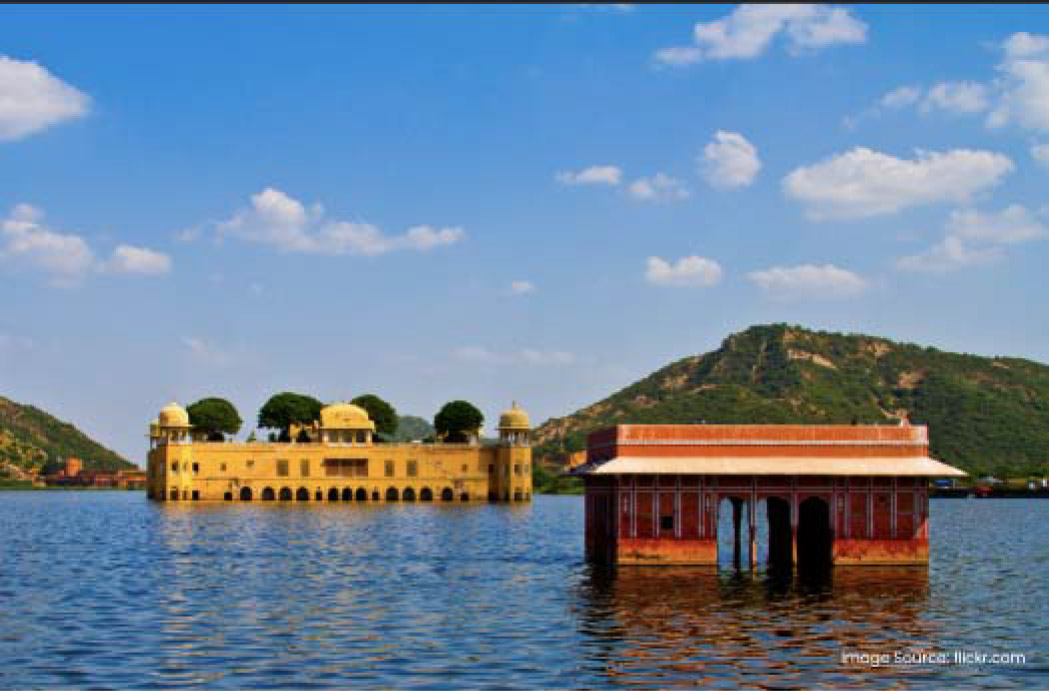
Early mornings offer calm lake views with soft golden light. Similarly, the palace looks stunning as the sun sets and the illuminations do the magic. It is best to reserve hotels in Pushkar or Jaipur well in advance for a hassle-free stay.
The summer season can be extremely hot for exploring. Similarly, the monsoon season makes the lake look fuller. You might not be able to see the accurate reflection of the palace due to the constant movement in the lake.
Tips for Visiting Jal Mahal
- Go at sunrise or sunset, as these are the best times for photos. The palace looks magical in golden light, ideal for photographers.
- Carry a good camera because you cannot resist capturing the reflections on Man Sagar Lake.
- Combine your trip with nearby attractions, including Amber Fort, Panna Meena Kund and Kanak Vrindavan Garden.
- Hire a guide if needed, as they can share interesting stories about Jal Mahal and Amer.
- Vendors can be persistent in selling their products. However, you must politely decline if you are not interested.
- Wear comfortable footwear, as you need to walk a lot on the lakeside stretch.
- The area can get crowded in peak hours. Hence, it is important to take care of your belongings.
- Check the weather before visiting because fog in winter mornings or strong monsoon showers can reduce visibility.
- Keep some cash handy. Small vendors and stalls may not accept digital payments.
- Avoid littering the area and respect the lake environment. Do not feed the birds, as it disrupts the balance.
- While the place is famous, you can spend around 20 to 30 minutes there. So, plan your itinerary accordingly.
Jal Mahal: A Timeless Jewel of Jaipur
Jal Mahal is indeed an enchanting landmark where history, culture and serenity thrive. Talk about the idyllic Man Sagar Lake or the royal architecture; the place literally melts your heart. Admiring its reflection is one of the popular things to do in Jaipur at night. Click pictures with the backdrop of the Aravalli hills or enjoy the cultural charm around the palace; there is something for every traveller. So, book your tickets for Jaipur and immerse yourself in the timeless heritage of the palace.