The minute you hear the name of Mumbai, all you can think of are local trains, endless traffic and towering buildings. It is the restless energy of the city that attracts people from all across the globe. Amidst the everyday chaos, do you wonder where locals go for rejuvenation? Well, that’s when Sanjay Gandhi National Park comes into the picture.
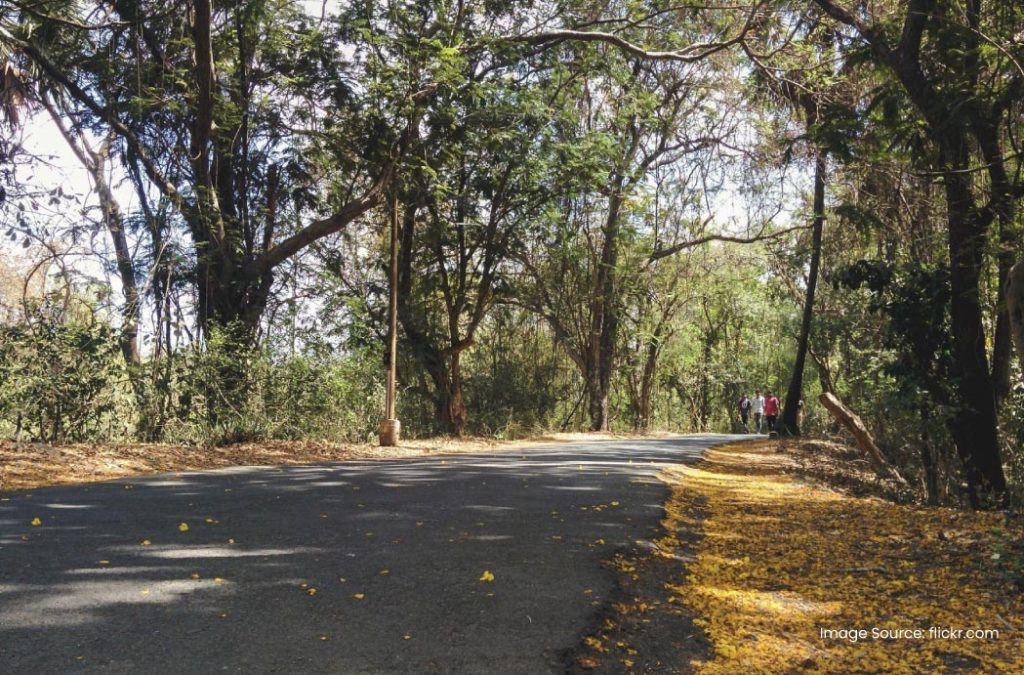
It is a place where time slows down and the air feels cleaner. The national park is all about silence that speaks louder than horns. Tucked away in the northern stretch of Mumbai, you get to walk through a protected forest. No wonder it is the breathing soul of this massively beautiful city.
Planning a day out at Sanjay Gandhi National Park (SGNP) requires a proper guide due to the multiple attractions and things to do. So, check out this blog for all the information needed for the perfect getaway.






History of Sanjay Gandhi National Park
You must have visited many wildlife sanctuaries in India. However, the Sanjay Gandhi National Park holds a special place in the hearts of Mumbaikars. It is deeply intertwined with the city’s natural, cultural and spiritual evolution. The city that you now see as a busy metropolis was once a vast forested region. It formed the ancient Konkan landscape and served as a refuge for wildlife, monks and early settlers.
Ancient Roots
One of the strongest pieces of historical evidence within SGNP is the Kanheri Caves, dating back to around the 1st century BCE. These caves were once an important Buddhist monastic centre. Buddhist monks lived, meditated and taught here.
Did you know the caves were strategically located along ancient trade routes? They also connected ports on the western coast to inland regions. Due to this, many merchants, travellers and pilgrims often stopped at SGNP. They even made donations for the expansion of the cave complex. Once you step inside, you can see the names of donors, kings and traders who donated here.
Medieval Period
During the medieval era, the forest region remained largely untouched. This is the time when local tribal communities started settling here. The Warli and Malhar Koli tribes of India started being dependent on the forest for their livelihood.
They began hunting, fishing and gathering forest produce. In fact, they started treating dense woodland as a natural barrier. Hence, it limited large-scale settlement, thereby helping preserve the biodiversity of SGNP.
Colonial Period
Being one of the best places to visit in Mumbai, the Sanjay Gandhi National Park went through multiple changes under British rule. Many parts of the forest were managed for timber and water conservation. As the British realised the need for Mumbai’s water supply, they created Tulsi and Vihar lakes within the forested area. Hence, it started with the beginning of structured forest management.
The Natural Landscape: Hills, Lakes and Forest Trails
Imagine standing under a dense canopy of trees while the skyline of Mumbai hums just a few kilometres away. Imagine spotting a deer grazing calmly, a peacock calling from afar or a butterfly resting on a wildflower. That’s exactly the feeling that Sanjay Gandhi National Park offers.
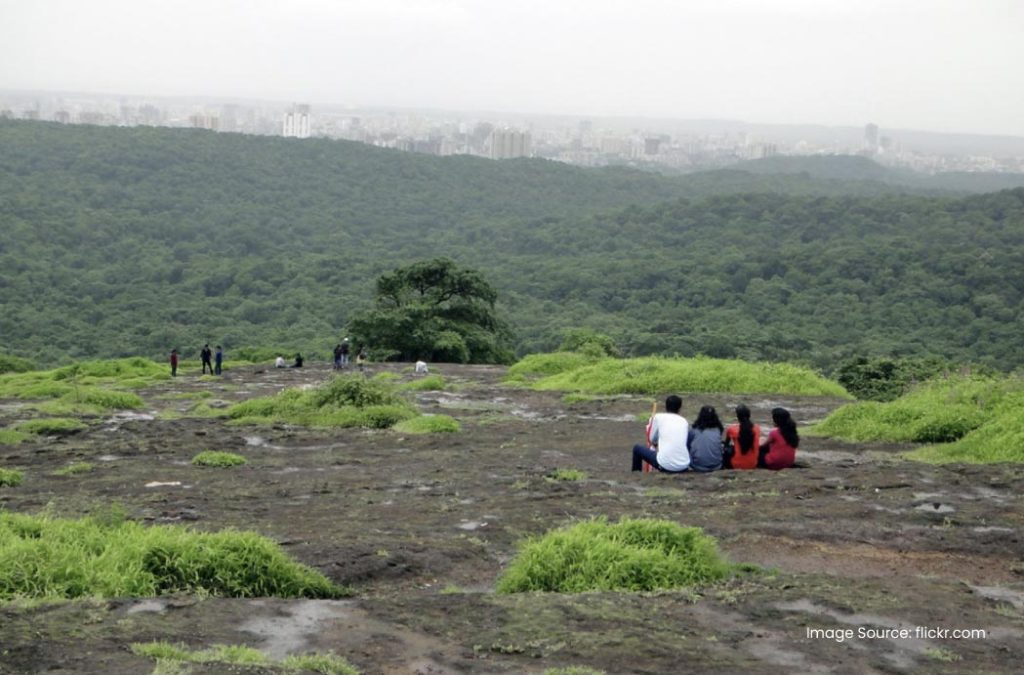
The geography of this national park is beautifully varied. Did you know it is also part of the Western Ghats ecosystem? That’s exactly why the terrain includes low hills, rocky plateaus and valleys. Interestingly, they are shaped by centuries of wind and rain.
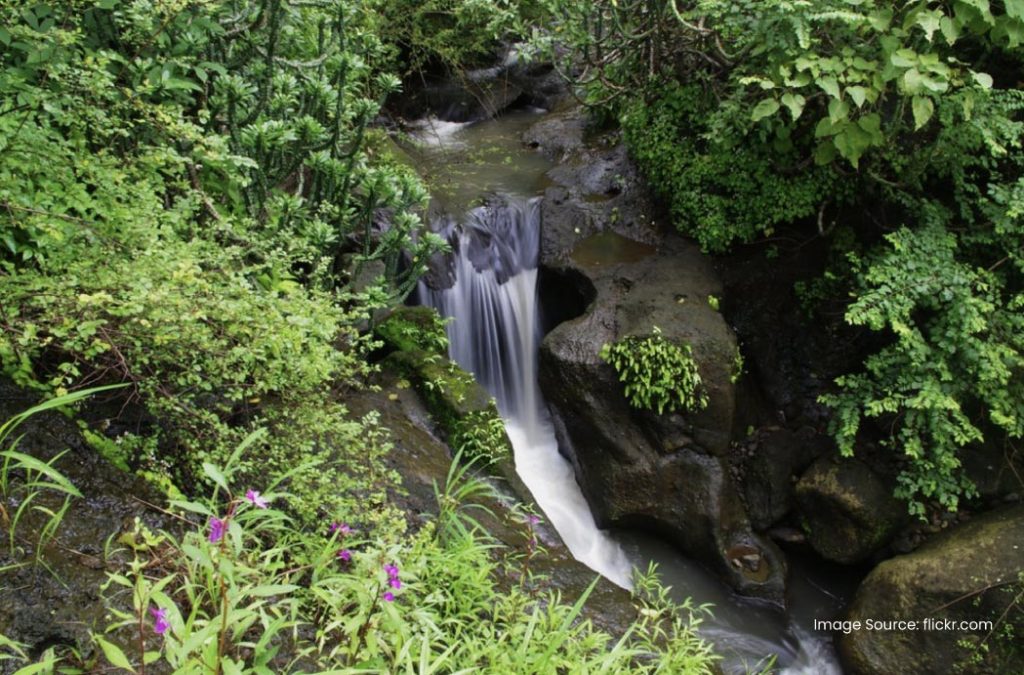
During the monsoon season, you get to see lush greenery, seasonal streams and gorgeous waterfalls. The landscape turns all rugged and earthy during the summer months. By booking affordable hotels in Mumbai, you can experience both seasons and their uniqueness.
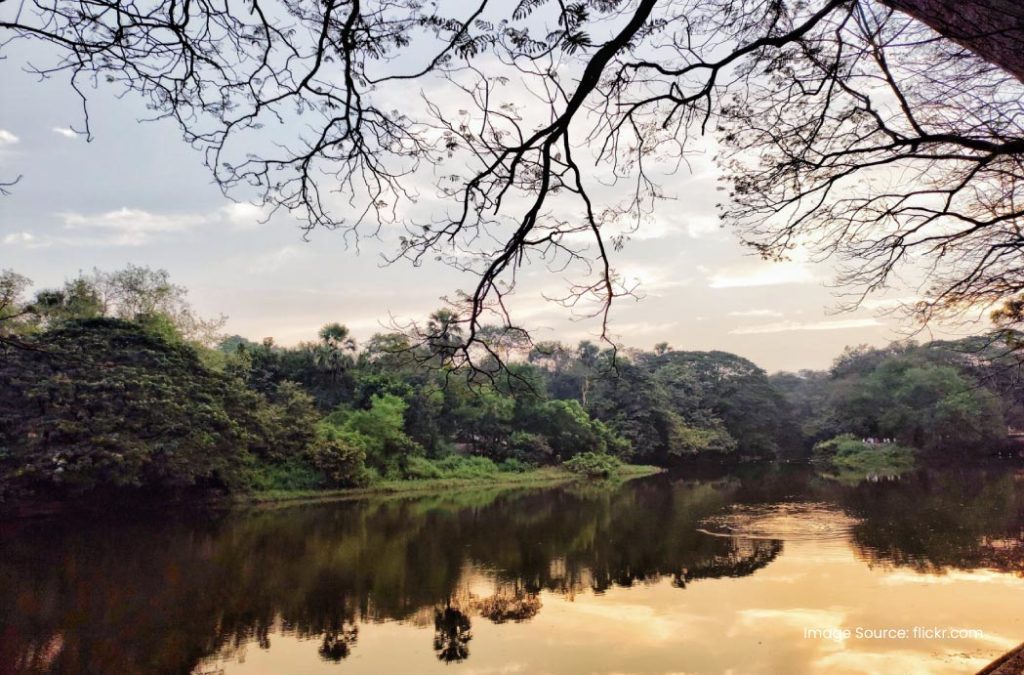
The major lakes of Tulsi and Vihar also lie within the park’s boundaries. One of the best things to do in Mumbai is to stand near these lakes at sunrise or sunset. That’s actually a dose of calmness right into your heart. You can see the reflection of trees on the water and birds flying low. It sure creates the perfect tranquil environment for a day out.
The Human-Wildlife Balance
Can you ever imagine the coexistence of wild animals and human settlements? It’s indeed rare. However, Sanjay Gandhi National Park is known for the many villages and tribal communities living within the park boundaries. They have primarily settled in the forests, follow distinctive living patterns and are adapted to environmental conditions.
This proximity occasionally leads to human-wildlife conflict, especially involving leopards. SGNP has put in effort with awareness programmes, monitoring and rescue operations. The park constantly tries to balance both with responsible planning.
Main Attractions and Things to Do at Sanjay Gandhi National Park
1. Lion and Tiger Safari
Visiting national parks in India remains incomplete without adventurous safaris. Even SGNP offers a safari option for witnessing the wild animals. You can particularly see lions and tigers in a protected enclosure. The national park provides a guided bus that takes you deep inside the forest.

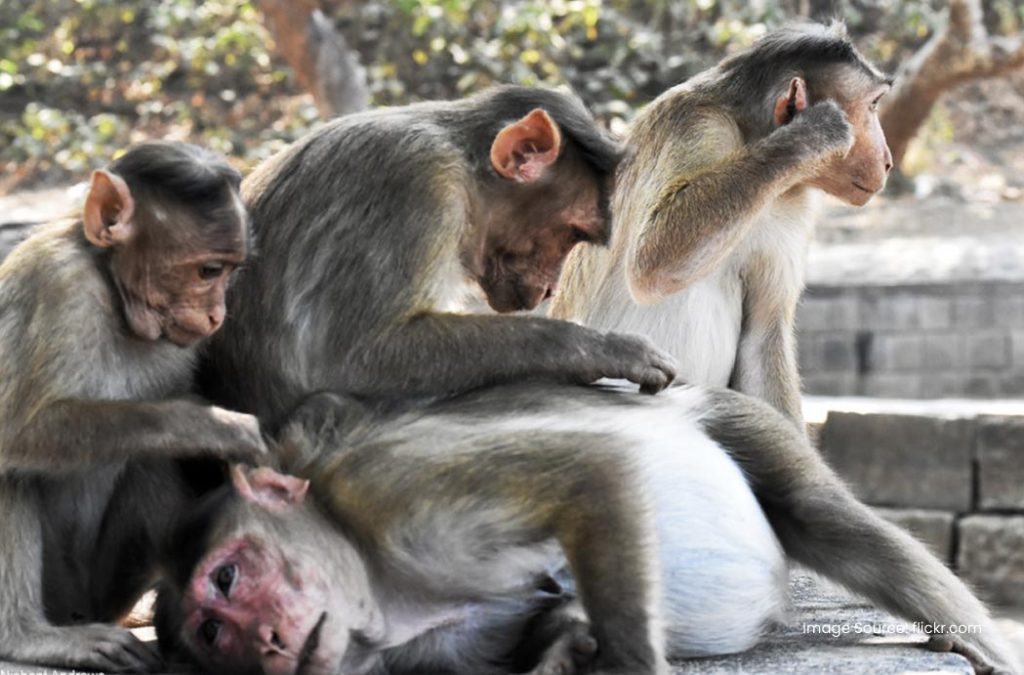
Along with this, you might be able to spot deer, monkeys and birds. If this is your first visit, it is certain to excite you. It is important to note that it is not a wild jungle safari. However, it still gives a close look at these majestic animals. So, make sure to book pocket-friendly hotels in Mumbai for a pleasant stay after exploration.
2. Van Rani Toy Train
With so many toy trains in India, each ride gives you a unique experience. The toy train at Sanjay Gandhi National Park is all about admiring nature. It is a nostalgic and fun experience for adults as well as kids.
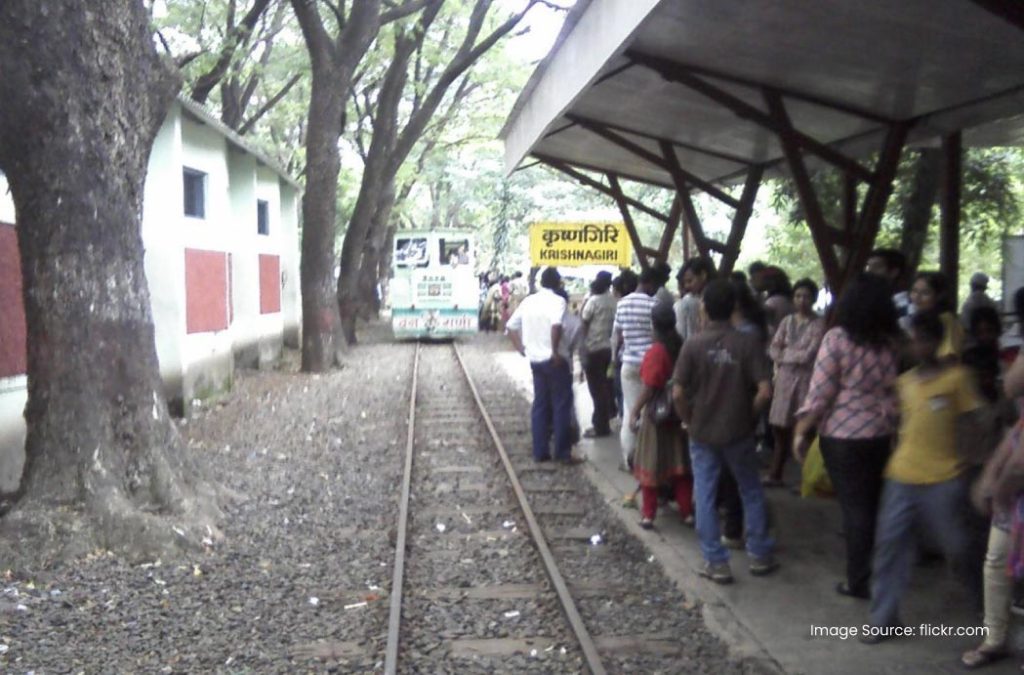
The Van Rani toy train takes you on a slow ride through forested stretches of the park. If you want to enjoy the greenery without much walking, this is the best way. It gives a relaxing introduction to the park’s natural surroundings.
3. Nature Trails and Forest Walks
If you are someone who enjoys walking and exploring, SGNP is the place for you. Being one of the famous national parks in Mumbai, it has several nature trails that take you through dense trees and small streams. The quiet forest paths are perfect for meditation and mindfulness activities.

Looking for trekking in Maharashtra with your friends? Well, mini trails like the Shilonda Trail can be found at SGNP. In this way, you get to understand the park’s ecosystem, plant life and wildlife. The walks can be long, so book budget-friendly hotels in Mumbai for a good rest later.
4. Cycling Inside the Park
Wondering if there’s something adventurous yet doable at Sanjay Gandhi National Park? Cycling is your go-to option! It is a great activity if you love visiting parks during early mornings.
It has wide internal roads surrounded by greenery everywhere. The refreshing ride takes you away from traffic and city noise. You can either bring your own bicycle or rent one inside the park. After cycling through the greens, check the best spots for early morning breakfast in Mumbai for an amazing experience.
5. Butterfly Garden
For bird lovers, SGNP is a quiet paradise. The park is home to hundreds of bird species, including kingfishers, woodpeckers, eagles, owls, sunbirds and migratory ones. It is best to visit during the winter season, as it attracts many birds.
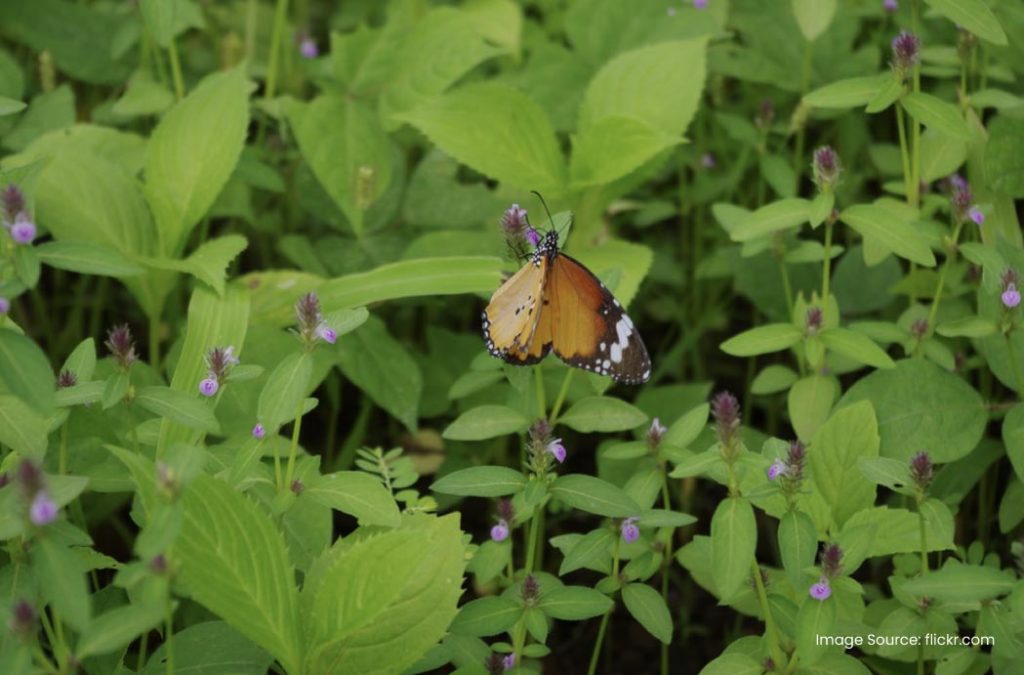
What’s mre? The national park is also home to a small yet charming butterfly garden. You can see several colourful species. Nature lovers are sure to fall in love with this space. Due to the vibrancy of this spot, you can spot multiple photographers here. For witnessing butterflies in their active zone, plan a visit during warmer months.
6. Kanheri Caves
Your journey to Sanjay Gandhi National Park remains incomplete without visiting Kanheri Caves. They deserve a special mention, as they are one of the famous historical caves in India, amidst the forested hills. These caves were once Buddhist monasteries, prayer halls and learning centres.
Do you know more than 100 caves from this complex? Hence, you can see how each tells a story of monks, traders and travellers. Walking through the Kanheri Caves feels like stepping into another time. It introduces you to stone pillars, water cisterns and inscriptions. There are multiple sculptures showcasing acts of discipline, meditation and knowledge.
It is important to know that you need to climb upwards to reach the caves. It is short and generally manageable. If you go early in the morning, the climb feels much easier due to the cool weather. After reaching the top, you get stunning views and quiet forest moments along the way.
Entry Fees and Activity Costs at Sanjay Gandhi National Park
- Basic Entry to SGNP: INR 130 for Adults | INR 52 for Children below 12 years
- Travel Service to Kanheri Caves: INR 1350 both ways through Van Rani (for a group) | INR 50 both ways through bus | INR 20 one way for BEST Bus
- Entry for Kanheri Caves: INR 25 Per Person
- Lion and Tiger Safari: INR 136 Per Person for Adults | INR 56 Per Person for Children
How to Reach Sanjay Gandhi National Park?
By Air
The nearest airport to SGNP is Chhatrapati Shivaji International Airport (CSIA). It is approximately 15 to 20 kilometres from the park. From here, you can hire a taxi, an auto or an app-based cab to the national park.
By Rail
Due to Mumbai’s excellent rail connectivity, reaching SGNP by rail is convenient. You can get down at Borivali Station if you take the Western Line. The park is approximately 2 to 3 kilometres from here.
The nearest metro station for Sanjay Gandhi National Park is Rashtriya Udyan station on Mumbai Metro Line 7. It is just 500 metres away. The second option is the Magathane Metro Station on Red Line 7. It is approximately 1.8 kilometres from here. You can take an auto from any of the metro stations to reach the park.
By Road
The park is well-connected via the Western Express Highway. You can reach the SGNP main entrance via an auto or a taxi. Regular BEST buses run from Borivali, Dahisar and Kandivali towards SGNP.
Tips for Visiting Sanjay Gandhi National Park
- SGNP requires a lot of walking due to its vastness. It’s best to wear comfortable walking shoes for a smooth journey.
- Carry a hat and sunglasses for sun protection.
- It is one of the famous places to visit in Mumbai early morning. So, plan your journey accordingly.
- The heat can be scorching, so make sure to carry enough water to stay hydrated.
- While animals may look cute and approachable, feeding them disrupts the environmental balance.

- Maintain silence in forest areas, as loud noises can cause disturbance to animals.
- Follow park rules strictly, as you are in a protected ecosystem.
- While small stalls are available in some areas, it is advisable to carry light snacks.
- There are limited seats at picnic spots, so carry a small mat if planning a break.
Sanjay Gandhi National Park: A Forest That Belongs to Everyone
Sanjay Gandhi National Park is a place that you can literally feel. With its fresh air, greenery and long-living tales, every path makes you closer to yourself. No wonder it teaches you patience, respect and balance. The park shows that even in the heart of chaos, silence can survive.
Plan for a morning walk, a history lesson, a photography session or simply to breathe freshness; it gives something back every time. The forest land of Mumbai is perfect for a day out with your loved ones. With multiple affordable hotels in Nashik and Mumbai, planning a getaway is hassle-free. So, get ready to experience tranquillity wrapped in serenity.