The destination where history lives and breathes in the capital city of New Delhi. Here, the open skies witness massively beautiful structures, all standing tall and wide. That’s exactly why Qutub Minar is more than a monument to locals as well as travellers. It is absolutely a living chapter of India’s layered history.
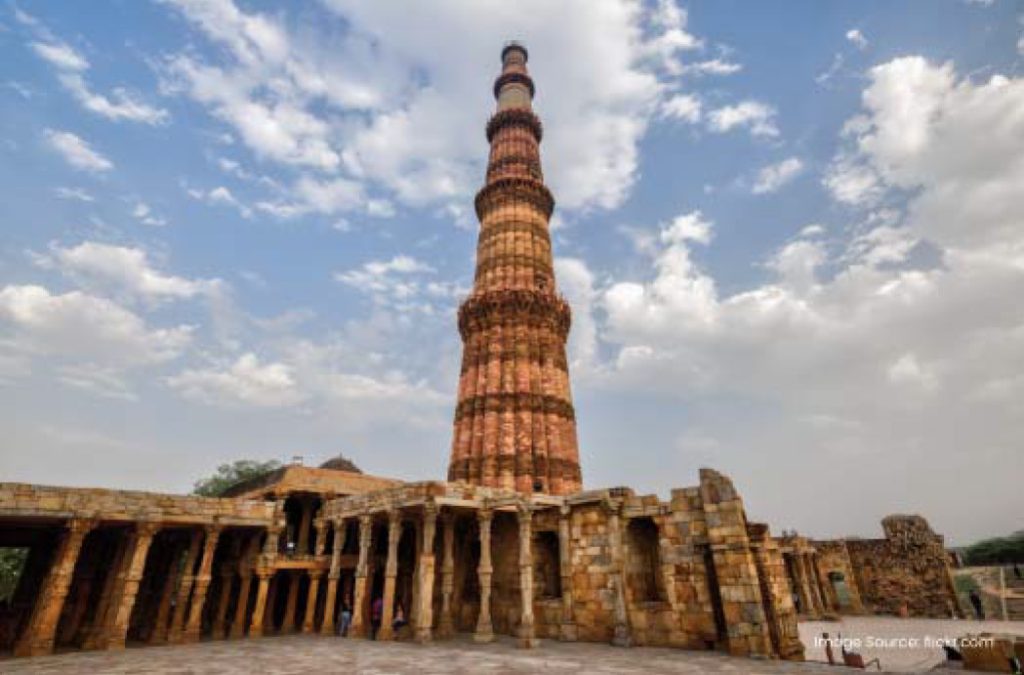
This UNESCO World Heritage Site amazes you with its jaw-dropping architecture. Being one of the most recognised monuments in the country, you get to witness the stories, visions and thoughts of ancient rulers. What’s more? The surrounding archaeological remains create an entire world of untold mystery.
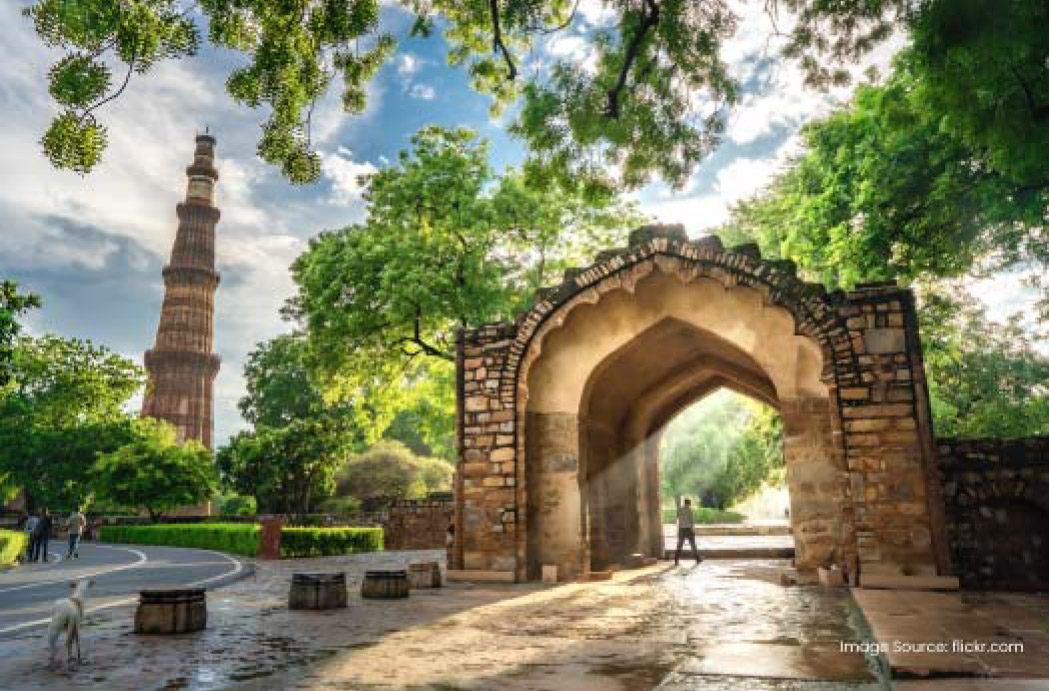
Your visit to Qutub Minar is sure to make you feel like you are stepping into history. Every stone whispers the secrets of dynasties, victories, faith and craftsmanship. If you are ready to explore this place of historic beauty, take help from this Qutub Minar guide. You can also book budget-friendly Treebo hotels to enjoy a pleasant stay.








Qutub Minar: Navigating Through the Historic Journey
Whether you talk about the forts of Delhi, the massive Lotus Temple or the lush green parks, every creation begins with a vision. Qutub Minar also has a similar tale attached to its creation. The monument is the vision of Qutb-ud-din Aibak, the first Sultan of the Delhi Sultanate. He started the construction of this structure in 1193 CE.
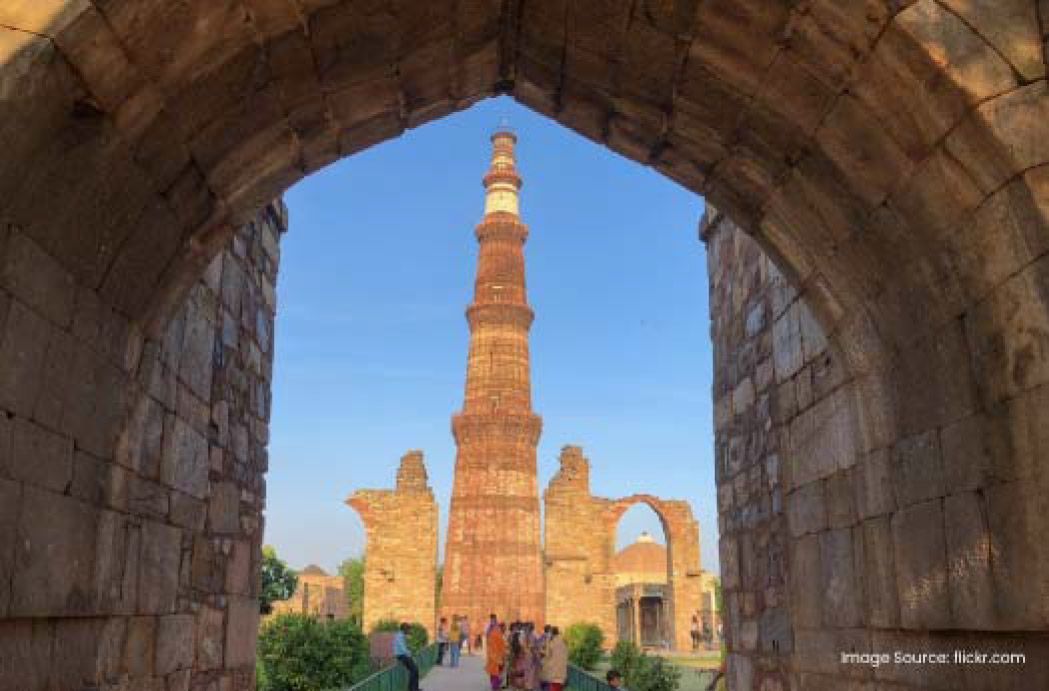
Did you know it was built shortly after the defeat of the last Hindu ruler of Delhi? Hence, the tower was meant to celebrate the establishment of Muslim rule in North India. However, Aibak could only complete the first storey of the structure. The rest was built by his successor, Shamsuddin Iltutmish.
He was the son-in-law of Aibak, who decided to continue the construction. By adding three more storeys, he blended the Persian and local artistry. No wonder you get to see a glimpse of the Sultanate’s architecture.
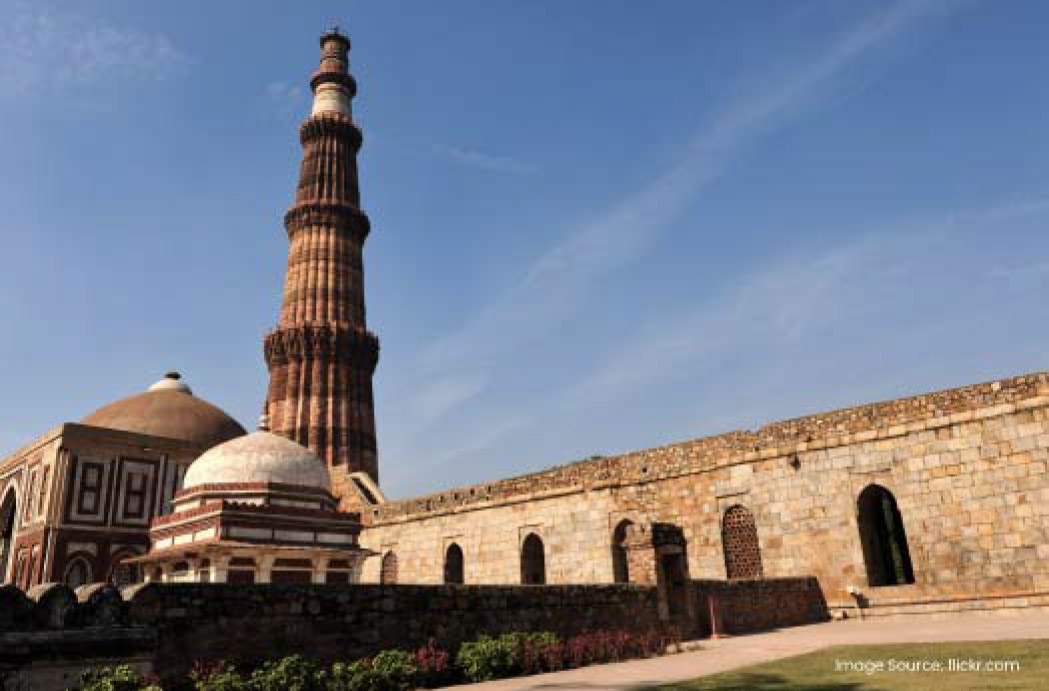
Later, the structure was damaged by a lightning strike in the 14th century. It was Firoz Shah Tughlaq who rebuilt it using marble. He actually made the upper floors visually distinct from the lower red sandstone ones. By adding the fifth storey, the minar got its present height.
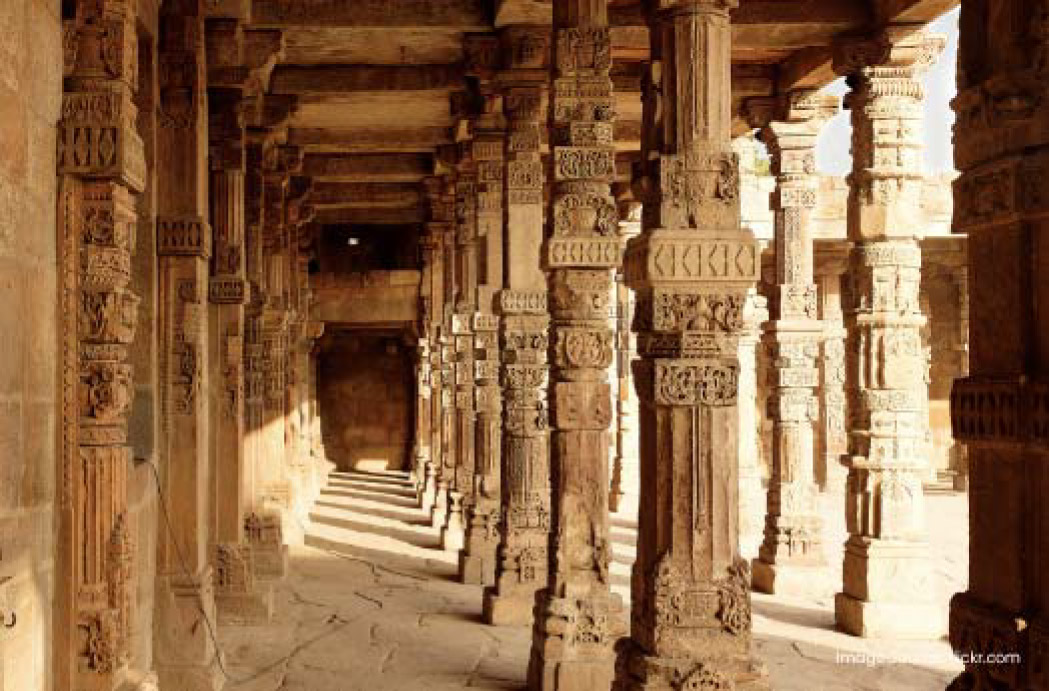
What’s more? The awe-inspiring monument of Qutub Minar has the names of many rulers attached to its creation. As it survived natural calamities, many repairs were done by Sikandar Lodi, the Mughals, the British during colonial rule and so on. Did you know each phase added new architectural touches? Without disturbing the original integrity, multiple rulers made it distinctive. No wonder this structure has layers of stories to tell.
Witnessing the Architecture of Qutub Minar
The minute you see the giant structure, you are certain to question its creation. After all, such a wonderful monument cannot be made without top-notch planning. Being one of the best places to visit in Delhi early morning, this structure showcases the essence of Indo-Islamic architecture.
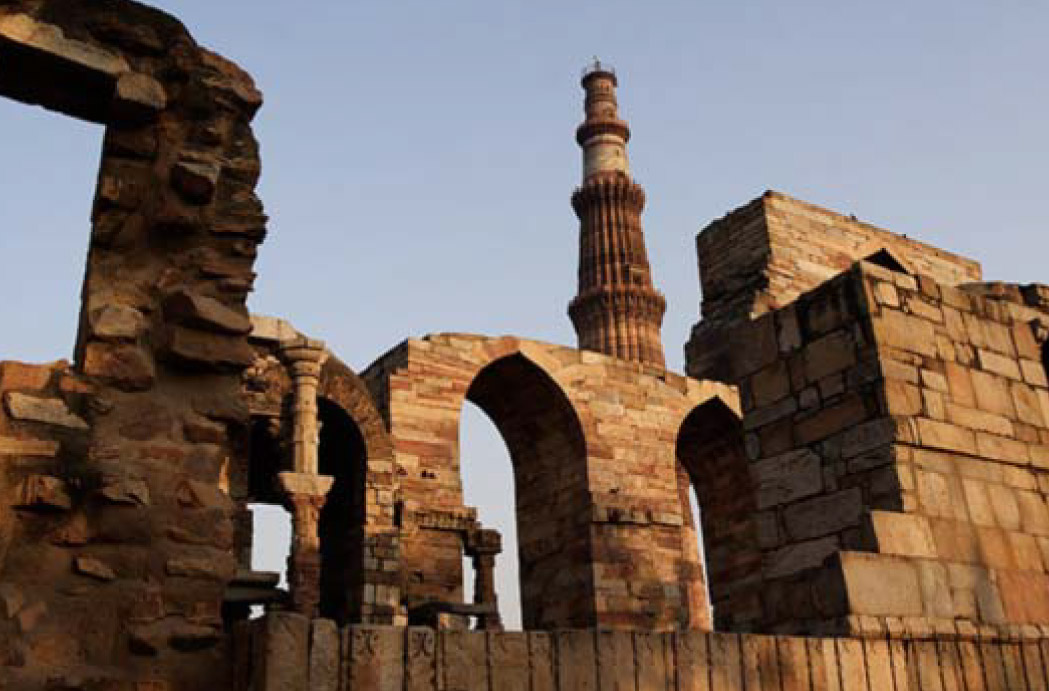
Do you know every floor reveals a unique story through design? Even the proportions and carvings keep changing. The structure is approximately 72.5 metres high, giving it a glorious touch. The impressive tapering displays a striking balance between strength and elegance.
Balconies and Storeys
You can see each floor is marked by a projecting balcony. These are supported by intricately carved brackets. Such a touch showcases ancient craftsmanship. While the balconies add beauty, they also reduce wind pressure on the tower.
Inscriptions and Carvings
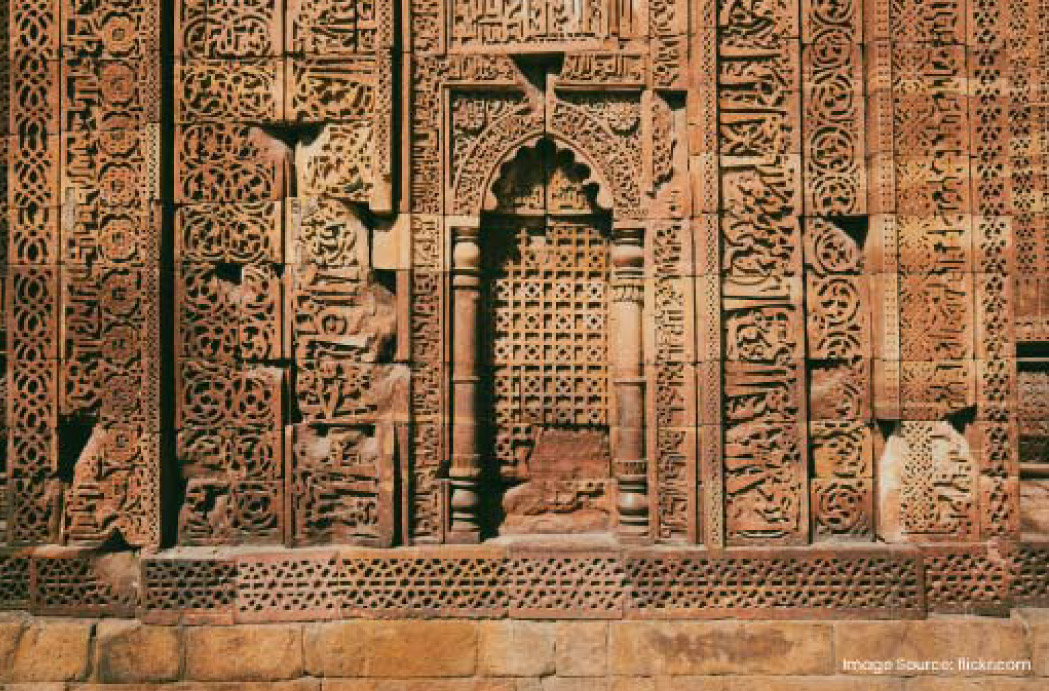
Qutub Minar has been modified by multiple rulers. Hence, the carvings and inscriptions are a blend of floral motifs and geometric patterns. You can also see Quranic verses in some spaces, adding a distinctive appearance. These carvings truly help you understand the artistic excellence of the Indo-Islamic era.
The Tilt of Qutub Minar
If you notice attentively, you can see that the Qutub Minar tilts slightly. While only being less than a degree, this tilt gives it a unique appearance. In scientific aspects, the tilt has helped the structure withstand earthquakes, as it distributes weight uniformly at the base.
Main Attractions Inside the Qutub Complex: What’s Beyond the Structure?
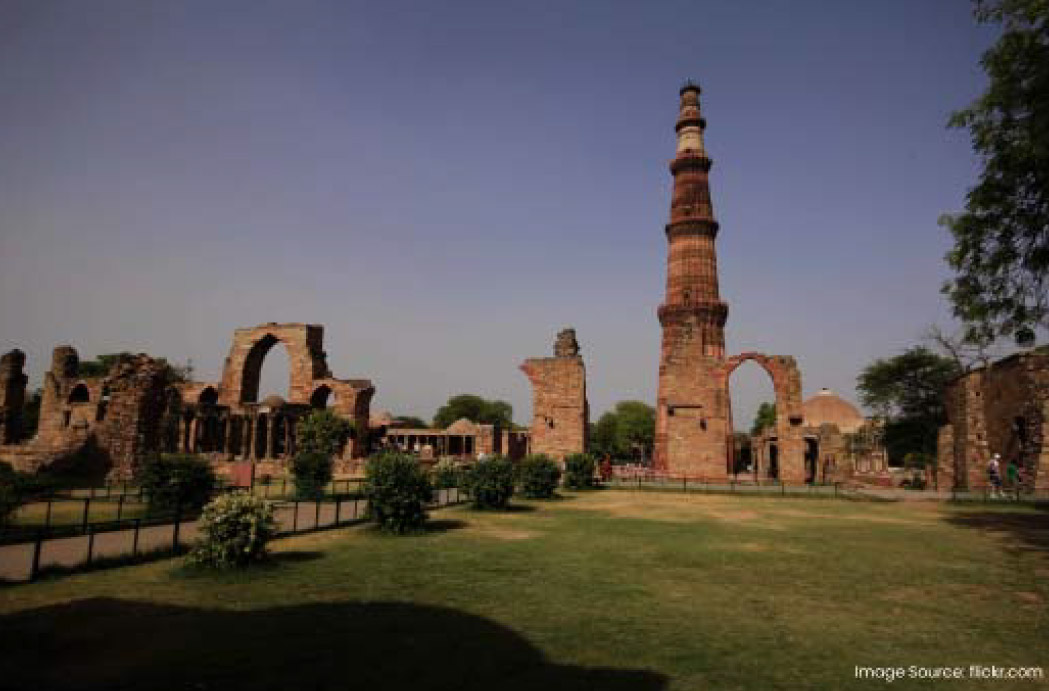
The Qutub Minar stands inside a larger archaeological complex. You must be thrilled to know that it is full of ancient monuments and structures. While many travellers miss these gems, they are crucial to understanding the site’s significance.
1. Quwwat-ul-Islam Mosque
Quwwat-ul-Islam Mosque is a debated structure, as many claim it to be the first-ever mosque in North India. Commissioned by Qutb-ud-din Aibak, it was built from dismantled Hindu and Jain temples. Iltutmish and Alauddin Khalji expanded the structure in later years.
Being adjacent to the famous Qutub Minar, it is one of the most famous mosques in India. While it was once a centre of worship, it now stands as an important archaeological monument.
2. Iron Pillar of Delhi
One of the most intriguing attractions is the 7.2-metre iron pillar in the Qutub complex. Interestingly, it dates back to the 4th century during the reign of Gupta emperor Chandragupta II.
What’s more? The pillar has not rusted for over 1600 years, making it one of the prime historical places in Delhi. The metallurgical wonder has multiple Sanskrit inscriptions, making travellers wonder about its origin. To discover more, book budget hotels in New Delhi nearby for a pleasant stay.
3. Alai Darwaza
Here is another interesting structure you can see within the complex. It is the Alai Darwaza, built in 1311 by Alauddin Khalji. Being the main gateway to the Qutub Complex, it is an awe-inspiring structure to witness Indo-Islamic architecture. You can see horseshoe-shaped arches, intricate latticework and geometric ornamentation. No wonder it has Turkish and Afghan influences.
Do you know it was constructed to mark the grand expansion plan of Alauddin? However, it was never completed. The detailed calligraphy and domes make it one of the finest surviving examples of Sultanate architecture.
4. Alai Minar
Many tourist places in Delhi tell you stories of their construction and visions. However, the Alai Minar is a symbol of ambition. Standing right within the complex, Alauddin Khilji dreamed of building a minar twice the size of Qutub Minar. He even began the construction with a 27-metre-wide base. However, the grand plan was abandoned after this death. Alai Minar stands as a reminder of his luxuriously historic thought.
5. Tomb of Iltutmish
While exploring the massive complex, do not miss visiting the Tomb of Iltutmish. Built in 1235 CE, it is a mystical structure that appears plain from the outside. However, it contains richly carved interiors. You can see sandstone walls and Quranic inscriptions too.
Although the original dome has collapsed, the tomb’s mihrab and decorative niches showcase significant features. It is the resting place of Sultan Shamsuddin Iltutmish, the third influential ruler.
6. Sandstone Pillars and Ruined Cloisters
Untold stories are the best because you get to dive into mysterious tales. That’s exactly the feeling you get at Qutub Complex. There are multiple temple fragments, stone pillars and corridor ruins.
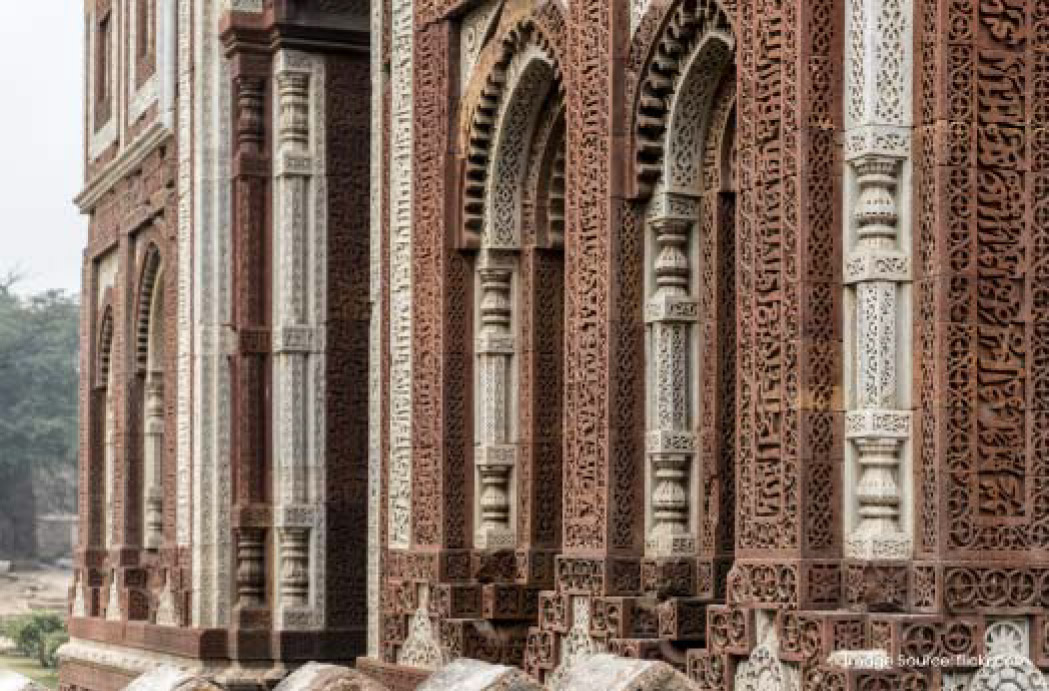
As they dot the complex, they also add a sense of ancient secrets. They not only showcase the artistic skill of craftsmen but also build architectural connections with other monuments in India.
If you want to experience nightlife, you can reserve affordable hotels in Gurgaon and enjoy the various clubs the area has.
Best Time to Visit Qutub Minar
Winter (October to March)
The best time to visit Qutub Minar is during the winter months. You can plan a journey anywhere between October and March. It also allows you to explore other historical monuments in Delhi. As the weather is pleasant, sightseeing feels comfortable for all age groups. The sun is softer, so you can explore without the scorching heat. Even the skies are clearer, thereby offering awe-inspiring views of the surroundings.
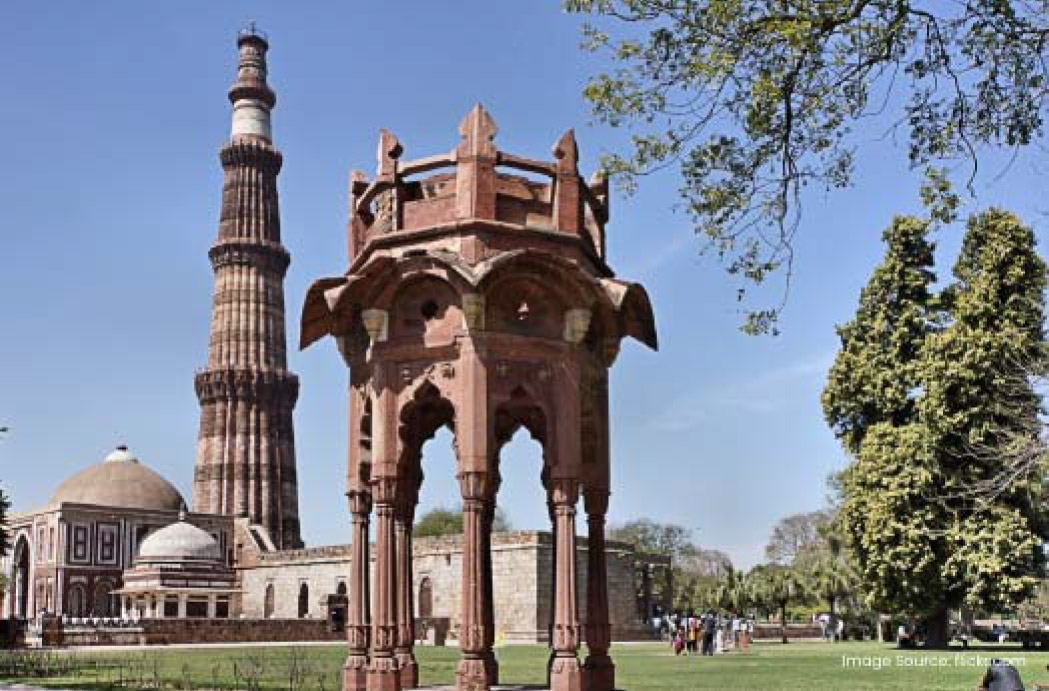
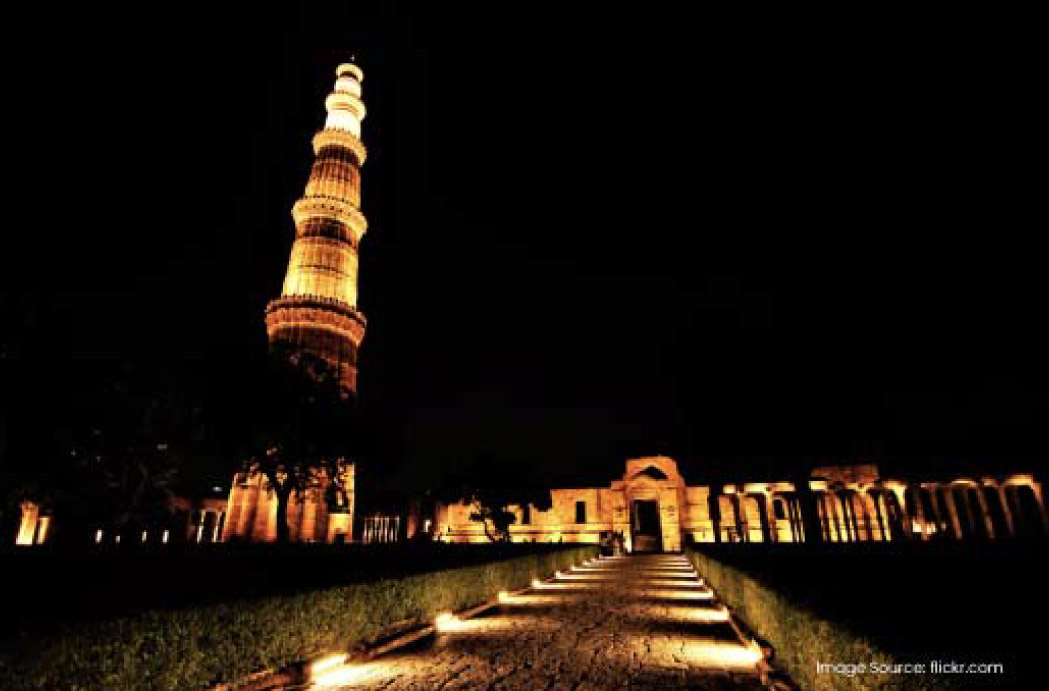
This is the perfect time for photography, especially around sunrise and sunset. That’s when the warm light falls on the red sandstone, creating a mesmerising effect. The only thing to keep in mind is the occasional fog or haze during early mornings. If the visibility is low, plan your visit a little later in the day. It is advisable to book budget hotels in New Delhi to avoid high rates later.
Summer Season (April to June)
Summer in Delhi can be extremely hot. Exploring open-air complexes like Qutub Minar under harsh sunlight is tough. If you do visit during this time, go early in the morning. The air is relatively cooler and the crowds are minimal. You can also find many hotels in New Delhi and nearby cities at cheap rates.
Monsoon Season (July to September)
As the monsoon rains hit the capital city, Qutub Minar brings a refreshing green look all around. The lawns brighten and the stone structures look freshly washed. You can enjoy a soothing atmosphere. While humidity can be high, the adventurous experience can be rewarding.
How to Reach Qutub Minar?
By Air
The best way to reach Delhi is via the Indira Gandhi International Airport (IGI). It is approximately 13.9 kilometres away. You can then opt for private cabs or government buses for further journeys.
By Rail
You can reach Delhi easily by rail, as the city is connected to most major regions of India. There are three main railway stations in the capital city, including New Delhi Railway Station (NDLS), Old Delhi Railway Station (DLI) and Hazrat Nizamuddin Railway Station (NZM). All stations are well linked to the rest of the city.
From New Delhi Railway Station (NDLS), you can take the Yellow Line metro. Then, get down at Qutub Minar Station. The distance from the metro is only 5 to 6 minutes from here.
From Old Delhi Railway Station (DLI), you can walk to Chandni Chowk Metro Station. The yellow line goes directly to Qutub Minar.
From Hazrat Nizamuddin Railway Station, you can take an auto or a cab to Jangpura Metro Station. Then take the Violet Line for the metro and change at Central Secretariat. Then go for the Yellow Line and get down at Qutub Minar.
From Anand Vihar Railway Station, you can travel via the Blue Line. Then change at Rajiv Chowk to the Yellow Line and get down at Qutub Minar.
By Road
The city is well-connected to the nearby destinations. So, travelling via road becomes easy from any part of the country. You can drive through the Mehrauli-Badarpur Road or Aurobindo Marg.
Looking for a cheaper travel option? Go for Delhi Transport Corporation (DTC) buses. They frequently pass through Mehrauli. You can get off at the Qutub Minar Bus Stop or the Mehrauli Bus Terminal. They are both pretty close to the monument. Common bus routes include 516, 534, 519 and 522.
Essential Information on Qutub Minar
Entry Fee
Indians: INR 35 (Online Payment) and INR 50 (Cash Payment)
Foreign nationals: INR 550 (Online Payment) and INR 600 (Cash Payment)
Children under 15: Free
Timings
7 Am to 8 Pm (Daily)
Location
Seth Sarai, Mehrauli, New Delhi, Delhi 110030
Parking
Available near the complex
Things To Know Before Visiting Qutub Minar
- It is best to visit early morning or late afternoon. The site gets crowded quickly, especially on weekends. You can arrive by 9 AM, as it helps you enjoy the complex peacefully. Late afternoon, around 4 PM, is perfect for pleasant light.
- It is highly recommended to buy tickets online. Otherwise, you need to wait in the long queue.
- The monument complex is large and there are many uneven stone pathways. Wear comfortable shoes, as you will be walking a lot.
- Carry water, a hat and sunscreen, as there is minimal shade around the minaret.
- Photography is allowed; however, drones are strictly banned.
- You can hire local guides available at the entrance to better understand the history of the monuments.
- Stay within designated paths. Do not climb on structures and follow ASI guidelines to preserve the heritage site.
- Allocate at least 1.5 to 2 hours for this place. It has a lot to see and you wouldn’t want to rush.
Qutub Minar: A Not So Hidden Gem of Delhi
This is a world-famous monument, attracting history buffs and travel enthusiasts from all around the globe. Exploring this structure makes you realise the history of ancient India and how power influences architecture. As you explore the many layers of this towering monument, you begin to discover stories and insights that words alone cannot capture.
If you want to check out nearby sites or have some business in the city, there are plenty of pocket-friendly hotels in Noida for a comfortable stay.